能量控制
| 功耗(读) |
2.35 W |
| 功耗(写) |
2.35 W |
| 功耗( idle) |
0.9 W |
软件
| 可下载软件 |
OCZ SSD AccessPro |
| 可支持的Linux操作系统 |
Y |
| 可支持的Mac操作系统 |
Y |
性能
| 内存类型 |
MLC |
| 读取速度 |
540 MB/s |
| 写入速度 |
470 MB/s |
| S.M.A.R.T. 支持 |
Y |
| 固态磁盘驱动器的容量 |
480 GB |
| TRIM支持 |
Y |
| 随机写入(4KB) |
22000 IOPS |
| 随机读取(4KB) |
38000 IOPS |
| 光刻技术 |
19 nm |
| 固态磁盘驱动器 接口 |
Serial ATA III |
| 无线局域网连接 |
N |
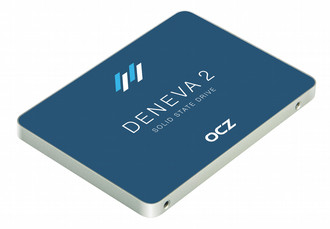
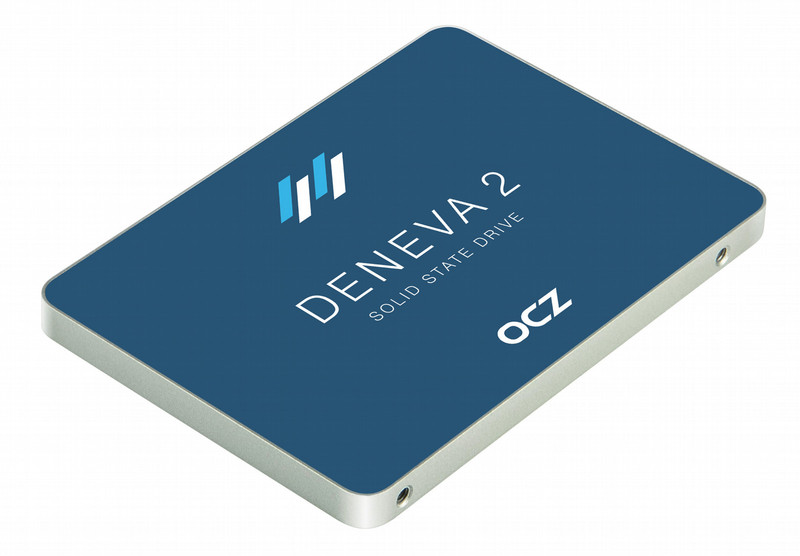
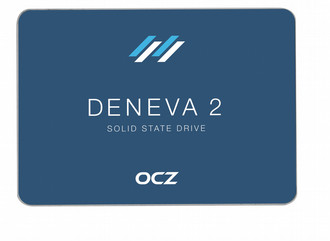
480GB Deneva 2 C Series, 6.35 cm (2.5 ") , 19nm Multi-Level Cell (MLC), TRIM, 128-bit AES, Serial ATA 6Gb/s, 83g
OCZ Deneva 2 SSDs are designed and manufactured to solve today's enterprise storage challenges and address the limitations hard drive technology imposes on IT infrastructures. The Deneva 2 Series delivers the industry's best performance while meeting the stringent reliability, security, and economical needs of enterprise storage environments including cloud storage, web-serving, and data warehousing. Providing a lucrative option for datacenters, Deneva 2 maximizes IOPS per dollar enabling increased data throughput with lower power consumption and a smaller operating footprint.
- Leading-edge SATA 6Gb/s storage solution designed to dramatically increase productivity and application performance.
- Cost-effective MLC-based design with best-in-class endurance and reliability.
Raising the Bar in Performance
Delivers the performance of hundreds of hard disk drives in a single server.
- Over 550MB/s of throughput.
- Up to 80,000 4K random write IOPS.
Reliable, Longer-Lasting and Secure
- Data fail recovery ensures superior reliability.
- Intelligent block management and wear-leveling for increased endurance.
- Advanced security with 128-bit AES encryption support.
- Strong error correction for enhanced data integrity.
Flexible Design with a Wide Array of Configurations
- Deneva 2 comes in an industry-standard 2.5" model; however, its unique architecture can be tailored to fit specific applications.
Cost-Savings that Other SSD Lines Cannot Deliver
- Alternative flash options provide a greater spectrum of price per IOPS.
- Support for next generation NAND flash geometries.