Netzwerk
| Verkabelungstechnologie |
10/100/1000Base-T(X) |
| Unterstützte Netzwerkprotokolle |
CIFS, FTP |
| Konformität mit Industriestandards |
IEEE 802 |
Weitere Spezifikationen
| RAID-Controller Type |
PERC S300 |
| Erweiterungssteckplätze |
2 x PCIex8\n1 x PCIex16\n2 x PCIex1 |
| Netzwerkfunktionen |
Gigabit Ethernet |
| Datenschutzfunktionen |
VSS |
Prozessor
| Anzahl installierter Prozessoren |
1 |
| Thermal Design Power (TDP) |
73 W |
| Physical Address Extension (PAE) |
36 bit |
| Prozessor-Paketgröße |
37.5 mm |
| ARK Prozessorerkennung |
43523 |
| PCI Express Konfigurationen |
2x8, 1x16 |
| CPU Konfiguration (max) |
1 |
| Pufferspeicher L2 |
2 MB |
| Maximaler interner Speicher, vom Prozessor unterstützt |
16 GB |
| Prozessor-Cache |
2 MB |
| Prozessor Lithografie |
32 nm |
| Prozessor Cache Typ |
Smart Cache |
| Durch den Prozessor (max) unterstützte Speicherbandbreite |
17 GB/s |
| CPU-Multiplikator (Bus-/Kernverhältnis) |
17 |
| Prozessorbetriebsmodi |
64-bit |
| Anzahl Prozessorkerne |
2 |
| PCI-Express-Slots-Version |
2.0 |
| Prozessor-Taktfrequenz |
2.26 GHz |
| ECC vom Prozessor unterstützt |
Y |
| Bus typ |
DMI |
Speichermedien
| Maximal unterstützte Speicherkapazität |
8 TB |
| Festplatten-Drehzahl |
7200 RPM |
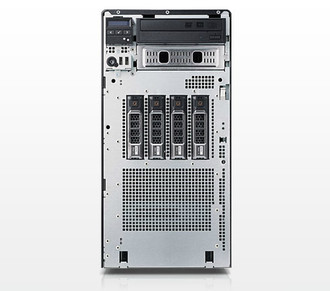
| Anzahl der installierten Speicherlaufwerke |
4 |
| Insgesamt installierte Speicherkapazität |
2000 GB |
| Im laufenden Betrieb wechselbare Gehäuseschächte |
Y |
| Speicherkapazität |
500 GB |
| Anzahl der unterstützten Speicherlaufwerke |
4 |
Prozessor Besonderheiten
| Maximale Anzahl der PCI-Express-Lanes |
1 |
| Intel® Virtualization Technologie (VT-X) |
Y |
| Intel® Clear Video Technologie |
N |
| Intel® Dual Display Capable Technology |
Y |
| Anzahl der Processing Die Transistoren |
382 M |
| Eingebettete Optionen verfügbar |
Y |
| Intel® Virtualisierungstechnik für direkte I/O (VT-d) |
N |
| Intel® Hyper-Threading-Technik (Intel® HT Technology) |
N |
| Graphics & IMC lithography |
45 nm |
| Execute Disable Bit |
Y |
| Leerlauf Zustände |
Y |
| Thermal-Überwachungstechnologien |
N |
| Intel® Trusted-Execution-Technik |
N |
| Speicherkanäle, vom Prozessor unterstützt |
Dual |
| Physical Address Extension (PAE) |
Y |
| Intel® 64 |
Y |
| Intel® Turbo-Boost-Technologie |
N |
| Intel® Enhanced Halt State |
Y |
| Intel® Clear Video Technology für Mobile Internet Devices (Intel® CVT for MID) |
N |
| Intel® vPro™ -Technik |
N |
| Intel® VT-x mit Extended Page Tables (EPT) |
Y |
| Intel® FDI-Technik |
Y |
| Verbesserte Intel SpeedStep Technologie |
Y |
| Intel® Demand Based Switching |
N |
| Speichertypen, vom Prozessor unterstützt |
DDR3-SDRAM |
Energie
| Anzahl von Stromversorgungseinheiten |
1 |
| Kapazität der Stromversorgungseinheit |
375 W |
Leistung
| Optisches Laufwerk - Typ |
DVD-ROM |
Grafik
| On-Board Grafikadapter Basisfrequenz |
533 MHz |
| Anzahl an unterstützen Displays (On-Board-Grafik) |
2 |
Zusätzlich
| Processing die Größe |
81 mm² |
| System-Bus |
2.5 GT/s |
| Intel® AES New Instructions (Intel® AES-NI) |
N |
| Anzahl Ethernet-LAN-Anschlüsse (RJ-45) |
2 |
| Internes RAM |
2 GB |
| Datenübertragungsrate (Maximum) |
1000 Mbit/s |
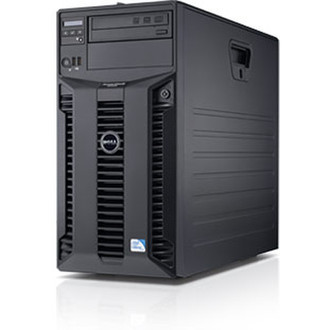
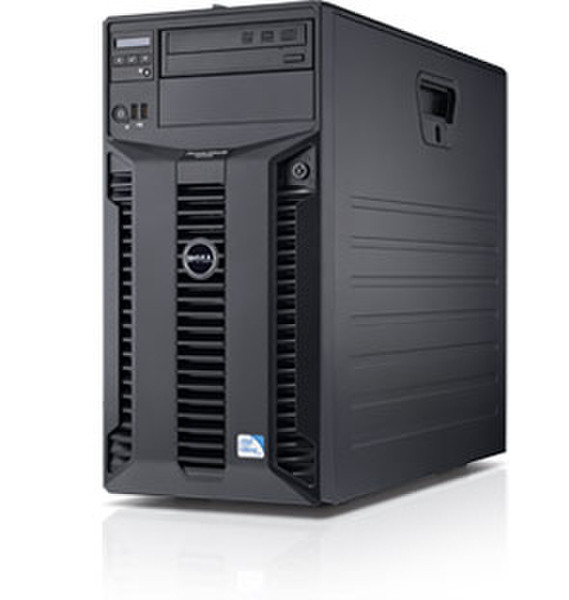
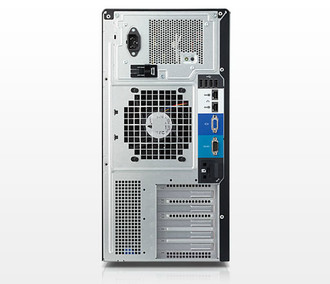
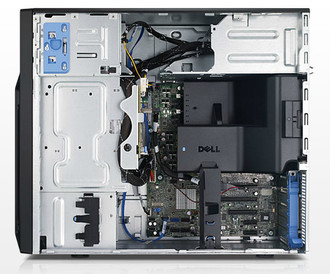
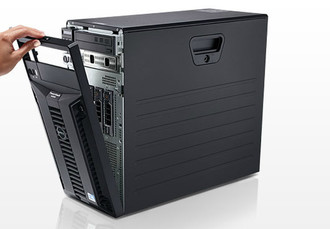
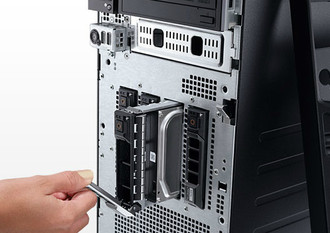
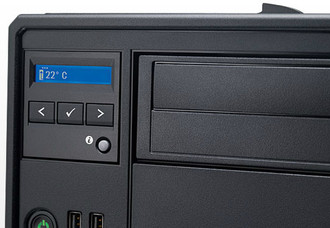
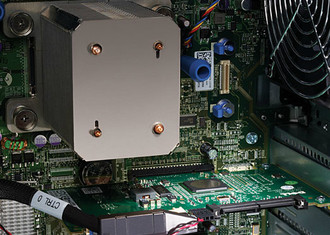
DELL PowerVault NX200 NAS. Insgesamt installierte Speicherkapazität: 2000 GB, Speicherlaufwerk Schnittstelle: SATA, Speicherkapazität: 500 GB. Prozessorfamilie: Intel® Celeron®, Prozessor: G1101, Prozessor-Taktfrequenz: 2,26 GHz. Internes RAM: 2 GB. Konformität mit Industriestandards: IEEE 802, Unterstützte Netzwerkprotokolle: CIFS, FTP, Verkabelungstechnologie: 10/100/1000Base-T(X). Gehäusetyp: Tower