Anschlüsse und Schnittstellen
| DVI Anschluss |
N |
| Anzahl VGA (D-Sub) Anschlüsse |
1 |
Prozessor Besonderheiten
| Intel® Rapid-Storage-Technik |
N |
| Intel® Fast Memory Access |
N |
| Intel® Flex Memory Access |
N |
| Execute Disable Bit |
Y |
| Thermal-Überwachungstechnologien |
Y |
| Intel® Trusted-Execution-Technik |
N |
| Prozessor-Paketgröße |
35 mm |
| ARK Prozessorerkennung |
33102 |
| Prozessor-Code |
SLAF2 |
| Intel® Insider™ |
N |
| Intel® 64 |
Y |
| Intel® Clear Video Technologie |
N |
| Intel® Dual Display Capable Technology |
N |
| Eingebettete Optionen verfügbar |
N |
| Intel® Virtualisierungstechnik für direkte I/O (VT-d) |
N |
| Intel® Anti-Theft Technologie (Intel® AT) |
N |
| Intel® Hyper-Threading-Technik (Intel® HT Technology) |
N |
| Intel® Turbo-Boost-Technologie |
N |
| Intel® Enhanced Halt State |
Y |
| Intel® My-WiFi-Technik (Intel® MWT) |
N |
| Intel® Clear Video Technology für Mobile Internet Devices (Intel® CVT for MID) |
N |
| Intel® VT-x mit Extended Page Tables (EPT) |
N |
| Intel® FDI-Technik |
N |
| Verbesserte Intel SpeedStep Technologie |
N |
| Intel® Demand Based Switching |
N |
| Intel® Wireless-Display (Intel® WiDi) |
N |
| Intel® Clear Video HD Technology für (Intel® CVT HD) |
N |
| Intel® Quick-Sync-Video-Technik |
N |
| Intel® vPro™ -Technik |
N |
Prozessor
| Prozessor Lithografie |
65 nm |
| Thermal Design Power (TDP) |
18.2, 19 W |
| Konfliktloser-Prozessor |
N |
| Tjunction |
100 °C |
| FSB Gleichwertigkeit |
N |
| CPU-Multiplikator (Bus-/Kernverhältnis) |
12 |
| Prozessorbetriebsmodi |
64-bit |
| Stepping |
A1 |
| Anzahl Prozessorkerne |
1 |
| Prozessor-Taktfrequenz |
1.2 GHz |
| ECC vom Prozessor unterstützt |
N |
| Bus typ |
FSB |
| Frontsidebus des Prozessors |
533 MHz |
| Prozessor Cache Typ |
L2 |
| Anzahl der Processing Die Transistoren |
105 M |
| Anzahl installierter Prozessoren |
1 |
| Prozessor-Cache |
0.512 MB |
| Prozessor Codename |
Conroe |
Software
| Betriebssystem Architektur |
64-bit |
Erweiterungssteckplätze
| PCI-Slots |
2 |
| PCI-Express x1-Slots |
1 |
| PCI-Express x16-Slots |
1 |
Design
| Anzahl der 3,5" Erweiterungseinschübe |
4 |
| Gehäusetyp |
Midi Tower |
| Anzahl der 5,25" Erweiterungseinschübe |
4 |
Netzwerk
| Ethernet LAN Datentransferraten |
10, 100 Mbit/s |
| Verkabelungstechnologie |
10/100Base-T(X) |
| WLAN |
N |
Speicher
| Speicherlayout |
1 x 2 + 1 x 4 GB |
| RAM-Speicher maximal |
8 GB |
| RAM-Speicher |
6 GB |
| Interner Speichertyp |
DDR3-SDRAM |
| Speichertaktfrequenz |
1333 MHz |
| Speichersteckplätze |
2x DIMM |
Weitere Spezifikationen
| Prozessorhersteller |
AMD |
| TV Tuner integriert |
N |
| Plattform |
PC |
| Konformität mit Industriestandards |
IEEE 802.3, IEEE 802.3u |
| Grafikkarte-Familie |
NVIDIA |
| Max. number of SMP processors |
1 |
| Mac-Kompatibilität |
N |
| Netzwerkfunktionen |
Fast Ethernet |
Grafik
| Dediziertes Grafikmodell |
NVIDIA GeForce 7025 |
| Separater Grafik-Adapterspeicher |
256 GB |
Energie
| Stromversorgung - Eingang Spannung |
230 V |
| Stromversorgung - Eingang Frequenz |
60 Hz |
| Stromversorgung |
420 W |
Speichermedien
| Gesamtspeicherkapazität |
1000 GB |
| Integrierter Kartenleser |
N |
| Festplatten-Schnittstelle |
Serial ATA |
Optisches Laufwerk
| Optisches Laufwerk - Typ |
DVD-RW |
Zusätzlich
| InTru™-3D-Technik |
N |
| Motherboard Chipsatz |
NVIDIA nForce 630a |
| Intel® AES New Instructions (Intel® AES-NI) |
N |
| Processing die Größe |
77 mm² |
| Eingebauter Ethernet-Anschluss |
Y |
| Anzahl Ethernet-LAN-Anschlüsse (RJ-45) |
1 |
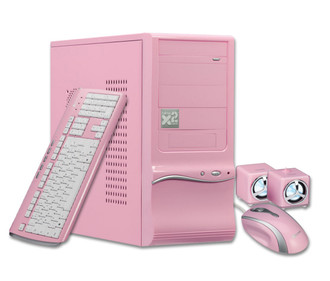
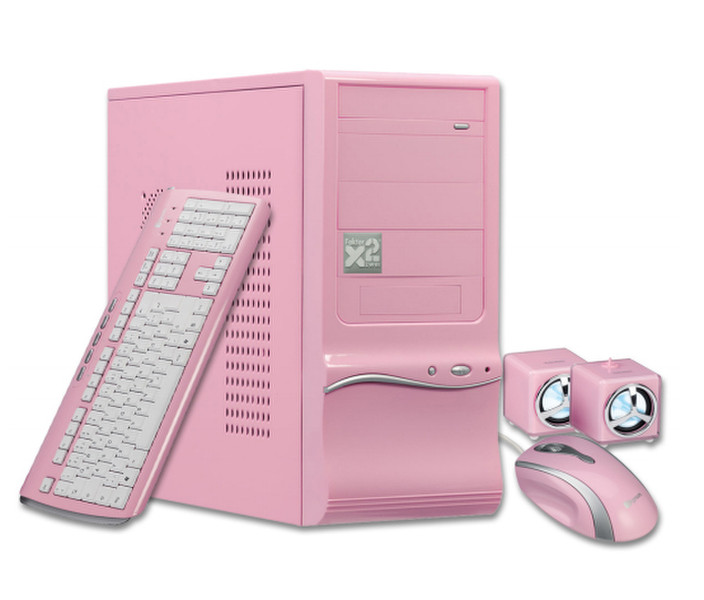
Faktor Zwei FX2 dTR 2520. Prozessorfamilie: Intel® Celeron®, Prozessorsockel: Buchse 479, Prozessor Cache Typ: L2. Interner Speichertyp: DDR3-SDRAM, Speicherlayout: 1 x 2 + 1 x 4, Speichersteckplätze: 2x DIMM. Festplatten-Schnittstelle: SATA. Optisches Laufwerk - Typ: DVD-RW. Dediziertes Grafikmodell: NVIDIA GeForce 7025