Prozessor Besonderheiten
| Verbesserte Intel SpeedStep Technologie |
Y |
| Intel® FDI-Technik |
N |
| Intel® VT-x mit Extended Page Tables (EPT) |
Y |
| Intel® vPro™ -Technik |
N |
| Intel® Clear Video Technology für Mobile Internet Devices (Intel® CVT for MID) |
N |
| Intel® My-WiFi-Technik (Intel® MWT) |
N |
| Intel® Enhanced Halt State |
Y |
| Intel® Hyper-Threading-Technik (Intel® HT Technology) |
N |
| Intel® Anti-Theft Technologie (Intel® AT) |
N |
| Intel® Virtualisierungstechnik für direkte I/O (VT-d) |
N |
| ARK Prozessorerkennung |
34694 |
| Intel® Virtualization Technologie (VT-X) |
Y |
| Intel® Trusted-Execution-Technik |
N |
| Intel® Flex Memory Access |
N |
| Intel® Fast Memory Access |
N |
| Intel® Rapid-Storage-Technik |
N |
| Intel® Turbo-Boost-Technologie |
N |
| Intel® Dual Display Capable Technology |
N |
| Intel® Clear Video Technologie |
N |
| Intel® 64 |
Y |
| Intel® Insider™ |
N |
| Intel® Quick-Sync-Video-Technik |
N |
| Intel® Clear Video HD Technology für (Intel® CVT HD) |
N |
| Intel® Wireless-Display (Intel® WiDi) |
N |
| Intel® Demand Based Switching |
N |
Speichermedien
| Festplatten-Schnittstelle |
Serial ATA |
| Gesamtspeicherkapazität |
3000 GB |
| Hot-Swap |
Y |
Prozessor
| Prozessor-Taktfrequenz |
3 GHz |
| Stepping |
C0 |
| Prozessorsystemtyp |
UP |
| Prozessorbetriebsmodi |
64-bit |
| Prozessor Cache Typ |
L2 |
| Prozessor Codename |
Wolfdale |
| Prozessor-Code |
SLAPM |
| Thermal-Überwachungstechnologien |
Y |
| Leerlauf Zustände |
Y |
| Execute Disable Bit |
Y |
| Prozessorkernspannung (Wechselstrom) |
1.225 - 0.956 V |
| Prozessor-Cache |
6 MB |
| Anzahl installierter Prozessoren |
1 |
| Anzahl Prozessorkerne |
2 |
| Max. number of SMP processors |
1 |
| Thermal Design Power (TDP) |
65 W |
| CPU-Multiplikator (Bus-/Kernverhältnis) |
9 |
| Prozessor Lithografie |
45 nm |
| Prozessor-Paketgröße |
37.5 mm |
| Eingebettete Optionen verfügbar |
N |
| FSB Gleichwertigkeit |
N |
| Anzahl der Processing Die Transistoren |
410 M |
| Frontsidebus des Prozessors |
1333 MHz |
| Konfliktloser-Prozessor |
N |
| Bus typ |
FSB |
| ECC vom Prozessor unterstützt |
N |
| Tcase |
72.4 °C |
Speicher
| RAM-Speicher maximal |
8 GB |
| Speichersteckplätze |
4 DIMM |
| ECC |
Y |
| RAM-Speicher |
1 GB |
| Interner Speichertyp |
DDR2-SDRAM |
Grafik
| Maximaler Grafikkartenspeicher |
16 MB |
Anschlüsse und Schnittstellen
| Parallel Port |
1 |
| Anzahl VGA (D-Sub) Anschlüsse |
1 |
Design
| Gehäusetyp |
Tower (5U) |
| Optisches Laufwerk - Typ |
DVD-ROM |
Netzwerk
| Netzwerkfunktionen |
Gigabit Ethernet |
Zusätzlich
| Grafikkarte |
ES1000 |
| Processing die Größe |
107 mm² |
| Anzahl Ethernet-LAN-Anschlüsse (RJ-45) |
1 |
| InTru™-3D-Technik |
N |
| Intel® AES New Instructions (Intel® AES-NI) |
N |
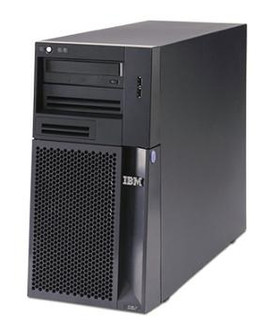
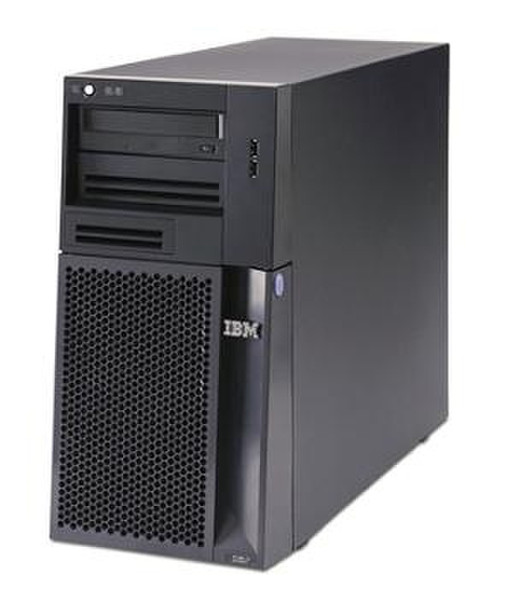
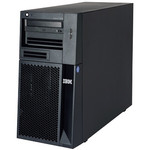
1x Intel Xeon E3110 Dual-Core 3.0 GHz/1333 MHz (6 MB L2), 2x 512 MB PC2-5300 CL5 ECC DDR2 SDRAM DIMM, 0 GB SAS/SATA HS HD (open bay), DVD-ROM, Integrated Gigabit Ethernet, ATI ES1000 (16 MB), 1x 400 W Hot-Swap
- Bewältigung von Wachstum und Risiken mit neuen Technologien zur Bereitstellung von Konfigurationsflexibilität, Datenschutz und Anwendungsperformance
- Vereinfachung Ihrer Infrastruktur mit modernen Überwachungsfunktionen und integrierten Remote-Management-Optionen
- Standardfunktionen für Skalierbarkeit und Zuverlässigkeit für hohe Systemverfügbarkeit – zu einem günstigen Preis.
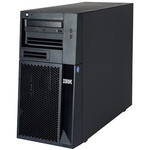
Der IBM System x3200 M2 ist ein kostengünstiger Single-Socket-Tower-Server, der Ihnen Leistungsmerkmale hinsichtlich Performance, Konfigurationsflexibilität und Verfügbarkeit bietet, die über die vieler anderer Server seiner Klasse hinausgehen. Die Einsatzbereiche des Servers reichen von Netzwerkinfrastrukturlösungen über verteilte Anwendungen bis hin zu Frontend-Workloads, werden damit einer umfassenden Bandbreite verschiedener Geschäftsanforderungen gerecht und erlauben es Ihnen, sich an sich verändernde Geschäftserfordernisse anzupassen.