Prozessor Besonderheiten
| Intel® Hyper-Threading-Technik (Intel® HT Technology) |
N |
| Intel® Anti-Theft Technologie (Intel® AT) |
N |
| Intel® Smart Cache |
Y |
| Intel® Virtualisierungstechnik für direkte I/O (VT-d) |
Y |
| CPU Konfiguration (max) |
2 |
| Intel® Dual Display Capable Technology |
N |
| Intel® Clear Video Technologie |
N |
| Intel® 64 |
Y |
| Intel® Insider™ |
N |
| Intel® Trusted-Execution-Technik |
N |
| Intel® Flex Memory Access |
N |
| Intel® Fast Memory Access |
N |
| Intel® Rapid-Storage-Technik |
N |
| Intel® Turbo-Boost-Technologie |
N |
| Intel® Quick-Sync-Video-Technik |
N |
| ARK Prozessorerkennung |
40711 |
| Intel® Virtualization Technologie (VT-X) |
Y |
| Intel® Clear Video HD Technology für (Intel® CVT HD) |
N |
| Intel® Wireless-Display (Intel® WiDi) |
N |
| Intel® Demand Based Switching |
Y |
| Verbesserte Intel SpeedStep Technologie |
Y |
| Intel® FDI-Technik |
N |
| Intel® VT-x mit Extended Page Tables (EPT) |
Y |
| Intel® vPro™ -Technik |
N |
| Intel® Clear Video Technology für Mobile Internet Devices (Intel® CVT for MID) |
N |
| Intel® My-WiFi-Technik (Intel® MWT) |
N |
| Intel® Enhanced Halt State |
Y |
Prozessor
| Eingebettete Optionen verfügbar |
Y |
| FSB Gleichwertigkeit |
N |
| CPU-Multiplikator (Bus-/Kernverhältnis) |
15 |
| Konfliktloser-Prozessor |
N |
| Physical Address Extension (PAE) |
Y |
| Speicherkanäle, vom Prozessor unterstützt |
Triple |
| Durch den Prozessor (max) unterstützte Speicherbandbreite |
19.2 GB/s |
| Speichertaktraten, vom Prozessor unterstützt |
800 MHz |
| Thermal Design Power (TDP) |
80 W |
| Thermal-Überwachungstechnologien |
N |
| Leerlauf Zustände |
Y |
| Execute Disable Bit |
Y |
| Anzahl der QPI links |
2 |
| Prozessor-Cache |
4 MB |
| Prozessor Lithografie |
45 nm |
| Anzahl installierter Prozessoren |
1 |
| Anzahl Prozessorkerne |
4 |
| Max. number of SMP processors |
2 |
| Prozessor-Paketgröße |
42.5 mm |
| Prozessor Cache Typ |
Smart Cache |
| Prozessor-Code |
SLBF9 |
| Physical Address Extension (PAE) |
40 bit |
| Bus typ |
QPI |
| Speichertypen, vom Prozessor unterstützt |
DDR3-SDRAM |
| ECC vom Prozessor unterstützt |
Y |
| Tcase |
76 °C |
| Maximaler interner Speicher, vom Prozessor unterstützt |
144 GB |
| Prozessor-Taktfrequenz |
2 GHz |
| Stepping |
D0 |
| Prozessorsystemtyp |
DP |
| Prozessorbetriebsmodi |
64-bit |
Speichermedien
| Hot-Swap |
Y |
| Max. Speicherkapazität |
2.4 TB |
Grafik
| Maximaler Grafikkartenspeicher |
16 MB |
Speicher
| RAM-Speicher |
4 GB |
| Interner Speichertyp |
DDR3-SDRAM |
| Speichertaktfrequenz |
1333 MHz |
| RAM-Speicher maximal |
96 GB |
| Speichersteckplätze |
12 |
Anschlüsse und Schnittstellen
Netzwerk
| Netzwerkfunktionen |
Gigabit Ethernet |
Weitere Spezifikationen
| Festplattenlaufwerkschächte hot swap |
4x 3.5" SAS/SATA / 8x 2.5" SAS |
Zusätzlich
| Anzahl Ethernet-LAN-Anschlüsse (RJ-45) |
2 |
| InTru™-3D-Technik |
N |
| Intel® AES New Instructions (Intel® AES-NI) |
N |
| System-Bus |
4.8 GT/s |
| Grafikkarte |
G200eV |
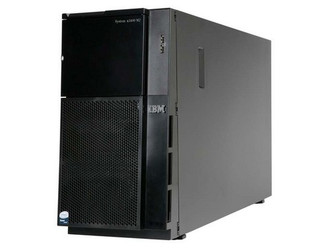
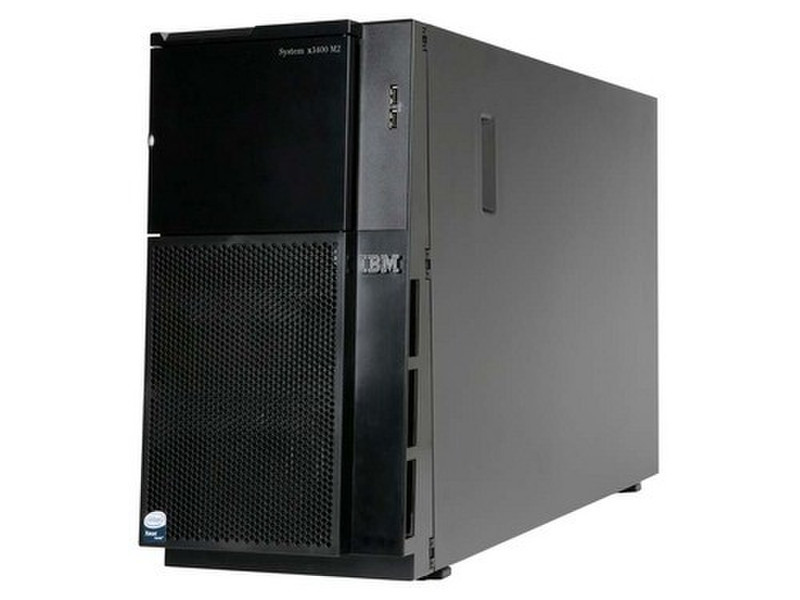
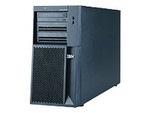
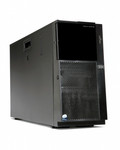
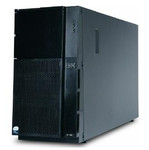
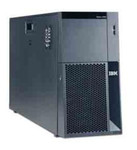
System x3400 M2, Intel Xeon E5504 (2.00GHz, 4MB, 4.80 GT/s), 4GB (1x 4GB) 1333MHz PC3-10600 DDR3 RAM, no HDD, Gigabit Ethernet, Tower (5U)
Der IBM System x3400 M2 bietet höchste Flexibilität und Skalierbarkeit. Dieser Dual-Socket-Server bietet außerordentlichen Mehrwert hinsichtlich Ihrer wachsenden Geschäftsanforderungen.
Ideale Einsatzgebiete:
Datei- und Druckserver, verteilte Geschäftsanwendungen, anspruchsvolle Netzwerk-Infrastruktur