Speicher
| Unterstützte Arbeitsspeichergeschwindigkeit |
1066 MHz |
| ECC |
Y |
| Zahl der DIMM Slots |
4 |
| Unterstützte Arbeitsspeicher |
DDR3-SDRAM |
| Speicherkanäle |
Dual |
| RAM-Speicher maximal |
32 GB |
Rückwandplatine Anschlüsse
| Serielle Anschlüsse |
1 |
| Anzahl VGA (D-Sub) Anschlüsse |
1 |
Interne Anschlüsse
| SATA Anschlüsse |
6 |
| Anzahl USB 2.0 Schnittstellen |
3 |
Prozessor
| Anzahl unterstützter Prozessoren |
1 |
| Anzahl der QPI links |
1 |
| Intel® Xeon-Serie |
E3-1200 |
| CPU Konfiguration (max) |
1 |
| Anzahl der unterstützten Prozessorkerne |
4, 2 |
| Lithographie |
32 nm |
| Prozessorhersteller |
Intel |
Leistung
| InfiniBand |
N |
| Integrierter BMC mit IPMI |
N |
| Tiefe Halogenoptionen verfügbar |
N |
| Trusted Platform Module (TPM) Version |
1.2 |
| Speicherbandbreite (max.) |
1600 GB/s |
| Ergänzendes SKU |
N |
| Motherboard ARK ID |
67302 |
| ablagefreundliches Bord |
Y |
| Eingebettete Optionen verfügbar |
N |
| Trusted Platform Module (TPM) |
Y |
| integriertes System verfügbar |
Y |
| Eingebettete USB (eUSB) SSD Option |
N |
Prozessor Besonderheiten
| Intel® Intel®ligent Power Node Manager |
N |
| Intel® Trusted-Execution-Technik |
N |
| Intel® Bau Sicherheits-Technologie |
Y |
| Intelligent Platform Management Interface (IPMI)-Unterstützung |
N |
| Intel® Remote-PC-Assist-Technik (RPAT) |
N |
| Intel® Quiet-System-Technik (QST) |
N |
| Intel® Quick-Resume-Technik |
N |
| Intel® AC'97Technologie |
N |
| Intel® Client Initiated Remote Access (CIRA) Technologie |
N |
| Intel® Active Management Technologie (Intel® AMT) |
N |
| Intel® Anti-Theft Technologie (Intel® AT) |
N |
| Intel® Fast Memory Access |
Y |
| Intel® Flex Memory Access |
N |
| Intel® Rapid Speichertechnologie Unternehmen |
N |
| Intel® Advanced Management Technology |
N |
| Intel® I/O Acceleration Technology |
N |
| Intel® Server Management Software |
N |
| Intel® Remote Management Module Support |
N |
| Intel® Server-Anpassungs-Technik |
Y |
| Intel® Quiet-Thermal-Technologie |
N |
| Intel® Efficient-Power-Technik |
N |
| Intel® Remote-Wake-Technik |
N |
| Intel® vPro™ -Technik |
N |
| Intel® Matrix-Storage-Technik (Intel® MST) |
N |
Technische Details
| Intel® Rapid-Storage-Technik |
Y |
| Thermal Design Power (TDP) |
95 W |
| Maximale Anzahl der PCI-Express-Lanes |
20 |
| Status |
End of Life |
| Physical Address Extension (PAE) |
40 bit |
| Intel® Clear Video Technologie |
N |
| Gesamtanzahl der SATA-Anschlüsse |
6 |
| Intel® Virtualisierungstechnik für direkte I/O (VT-d) |
Y |
| Marktsegment |
SRV |
| Geboren am |
Q2'12 |
| Firewire unterstützt |
N |
| Startdatum |
2012-05-14T00:00:00 |
| Produktbezeichnung |
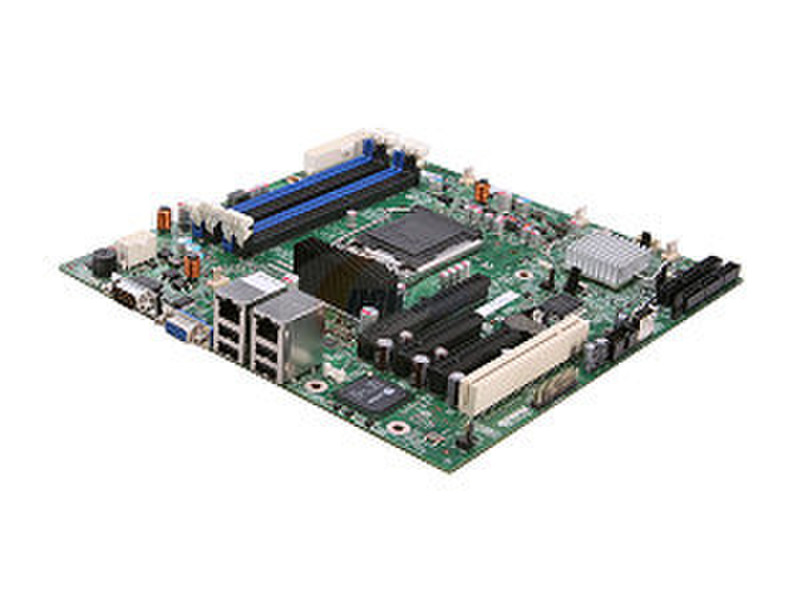
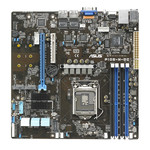
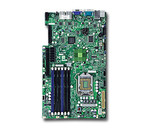
Intel Server Board S1200BTSR |
| Unterstützte RAID-Konfiguration |
Intel RST (0, 1, 10, 5); ESRT2 (0, 1, 10) |
| Halogenfrei |
N |
| Maximaler Speicher |
32 GB |
| Maximaler interner Speicher, vom Prozessor unterstützt |
32 GB |
| Durch den Prozessor (max) unterstützte Speicherbandbreite |
25.6 GB/s |
| Formfaktor |
uATX |
| ECC vom Prozessor unterstützt |
Y |
| Chipsatz |
Intel C202 Platform Controller Hub |
| USB-Version |
2.0 |
| Anzahl der USB-Anschlüsse |
7 |
Design
| Motherboardformfaktor |
Micro ATX |
| Produktfamilie |
Single-socket server board |
| Produktreihe |
Intel S1200BT |
| Codename des Produkts |
Beartooth Pass |
| Komponente für |
Server |
Erweiterungssteckplätze
| PCI-Slots |
1 |
| PCI-Express x8-Slots |
2 |
| PCI-Express x4-Slots |
1 |
| PCI-Express-Slots-Version |
2.0 |
| PCI-Express x16 (Gen 2.x)-Anschlüsse |
1 |
| PCI-Express x8 (Gen 2.x)-Anschlüsse |
2 |
Grafik
| Grafischer Ausgang |
VGA |
| Eingebaute Grafikadapter |
Y |
Netzwerk
| WLAN |
N |
| Ethernet Schnittstellen Typ |
Fast Ethernet, Gigabit Ethernet |
Laufwerk Controller
| Festplatten-Schnittstelle |
Serial ATA |
Zusätzlich
| Intel HD-Audio-Technik |
N |
| PCI Express slots Anzahl |
4 |
| System-Bus |
5 GT/s |
| Eingebauter Ethernet-Anschluss |
Y |
| Intel® AES New Instructions (Intel® AES-NI) |
Y |
| Anzahl Ethernet-LAN-Anschlüsse (RJ-45) |
2 |
Server Board S1200BTSR
Die integrierte Grafik bietet außergewöhnliche Grafikqualität, schnelle Grafikleistung und flexible Anzeigeoptionen, ohne eine gesonderte Grafikkarte einzusetzen.
Die Advanced Encryption Standard New Instructions (AES-NI) sind eine Zusammenstellung von Anweisungen zur schnellen und sicheren Verschlüsselung und Entschlüsselung von Daten. AES-NI sind wertvolle Komponenten für kryptografische Anwendungen, z. B. für Anwendungen zur Massenverschlüsselung/-entschlüsselung, Authentifizierung, Generierung von zufälligen Nummern und Authentifizierungsverschlüsselung.
Das Trusted-Platform-Modul (TPM) ist eine Komponente des Mainboards, die speziell zur Verbesserung der Plattformsicherheit entwickelt wurde und über die Funktionen moderner Software hinausgeht, indem sie einen geschützten Bereich für wichtige Vorgänge und andere sicherheitskritische Aufgaben bereitstellt. Das Trusted-Platform-Modul nutzt sowohl Hardware und Software zum Schutz von Verschlüsselungs- und Signaturschlüsseln in ihren anfälligsten Phasen, nämlich, wenn die Schlüssel unverschlüsselt in Nur-Text-Form verwendet werden.