性能
| 内存类型 |
SLC |
| 读取速度 |
520 MB/s |
| 写入速度 |
415 MB/s |
| 固态磁盘驱动器的容量 |
128 GB |
| 总写入字节(TBW) |
72 |
| 随机写入(100%量程) |
40000 IOPS |
| 随机读取(100%量程) |
73000 IOPS |
| 固态磁盘驱动器 接口 |
Serial ATA III |
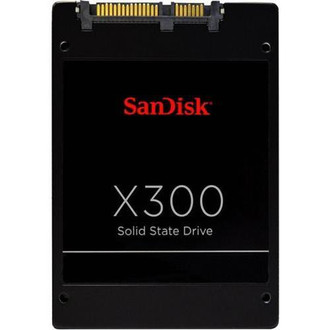
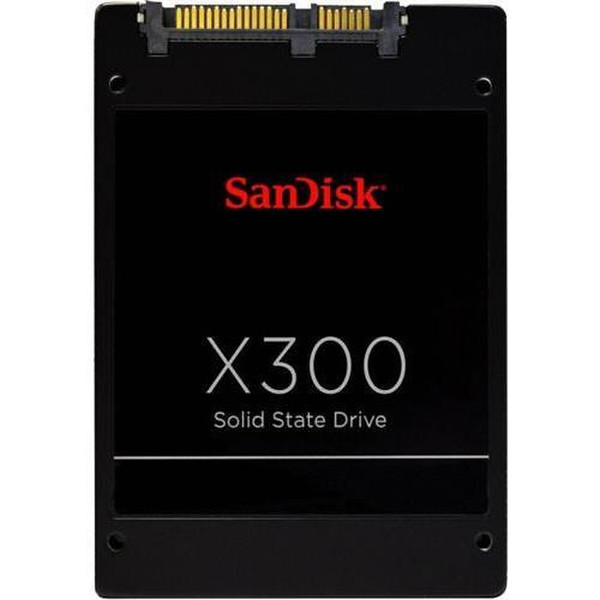
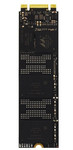
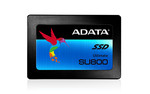
128GB 2.5" SATA3 SSD
Driving Mainstream Adoption of SSDs With the SanDisk X300
The SanDisk X300 SSD is a high-performance drive designed to deliver a great user experience without compromise. Based on 1Ynm X3 flash technology, the SanDisk X300 SSD delivers optimum performance with high reliability and low power. It incorporates nCache 2.0, SanDisk's next-generation tiered caching technology, designed to improve SSD responsiveness for any corporate and consumer workload.
- nCache 2.0 – Improves user responsiveness by supporting SLC cache and high productivity use cases.
- DataGuard Client – improves the reliability of the drive and incorporates a robust error handling mechanism that provides a last line of data protection.
- Vertically Integrated Validation: NAND to Device – Ensures the device meets specifications over customers' environments.
- Easy migration – Leveraging the maturity and proven designs of predecessors.
- Low power with DEVSLP support and InstantGo compatibility.
- Up to 1TB capacities in 2.5" 7mm, M.2 2280, and mSATA form factors.
Next-Generation Caching Technology
nCache 2.0 uses a combination of both SLC and X3/TLC flash blocks to improve endurance, increase efficiency, and boost performance. By writing all the data to SLC blocks first, the write amplification on the X3 blocks is decreased.
Real-time Error Handling
The X300 SSD also includes a new and robust on-the-fly error handling mechanism called DataGuard Client, which uses a page-level striping with distributed parity for an added layer of data protection. This mechanism recovers errors that other traditional error correction mechanisms could not.
Reduce TCOs and Maximize ROI
The improved cost structure introduced in the X300 SSD, and the use of SanDisk's most popular flash technology, ensures continuity of supply, better flash availability, improved TCO, and shorter ROI times.