
Battery
| Continuous video playback time |
10 h |
| Browsing time |
10 h |
| Continuous audio playback time |
56 h |
| Battery life (max) |
336 h |
Performance
| Position location |
Y |
| GPS (satellite) |
Y |
Ports & interfaces
| Headphone out |
Y |
| Microphone in |
Y |
| HDMI ports quantity |
1 |
| DC-in jack |
Y |
Storage
| Compatible memory cards |
SD |
| Card reader integrated |
Y |
Camera
| Main camera resolution (numeric) |
5 MP |
| Built-in camera |
Y |
Memory
| Maximum internal memory |
1 GB |
| Internal memory |
1 GB |
Networking
| Bluetooth |
Y |
| Bluetooth version |
2.1+EDR |
Processor
| Processor frequency |
1 GHz |
Software
| Platform |
Android |
| Operating system version |
3.0 |
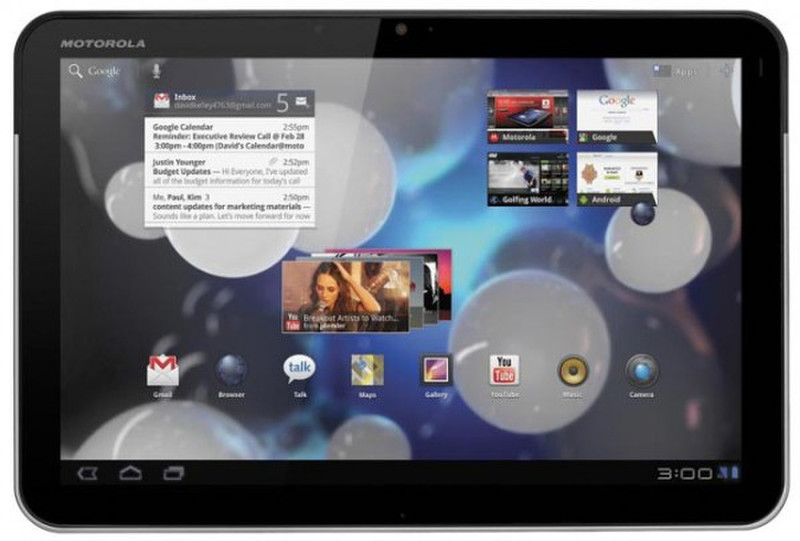
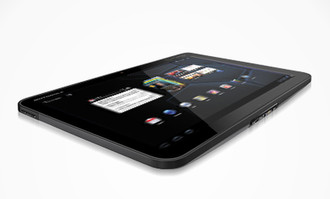
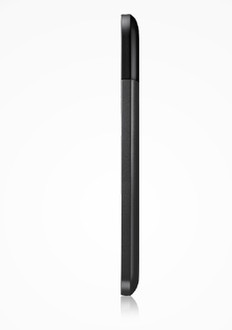
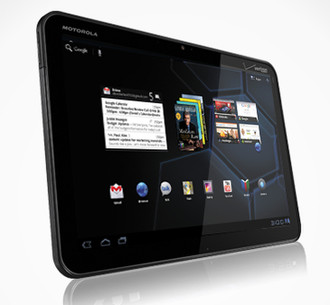
Xoom Wi-Fi + 3G - 1GHz, 10.1'' HD display, Wi-Fi, Anroid 3.0, 5 MP, 730g
While the Motorola Xoom may not be the first tablet that has been released with Android, it marks a major shift in the paradigm of mobile computing. Tracing back the history of Android, Google seems to release new software platforms with a specific hardware partner. While the original G1 phone was developed by HTC, Google decided to launch Android 2.0 (Eclair, known as 2.1 on other phones) with Motorola and their original Droid product. The success of the Motorola Droid is a hallmark moment for Motorola, who had been slowly dying after the massive success of their RAZR phone years ago.